
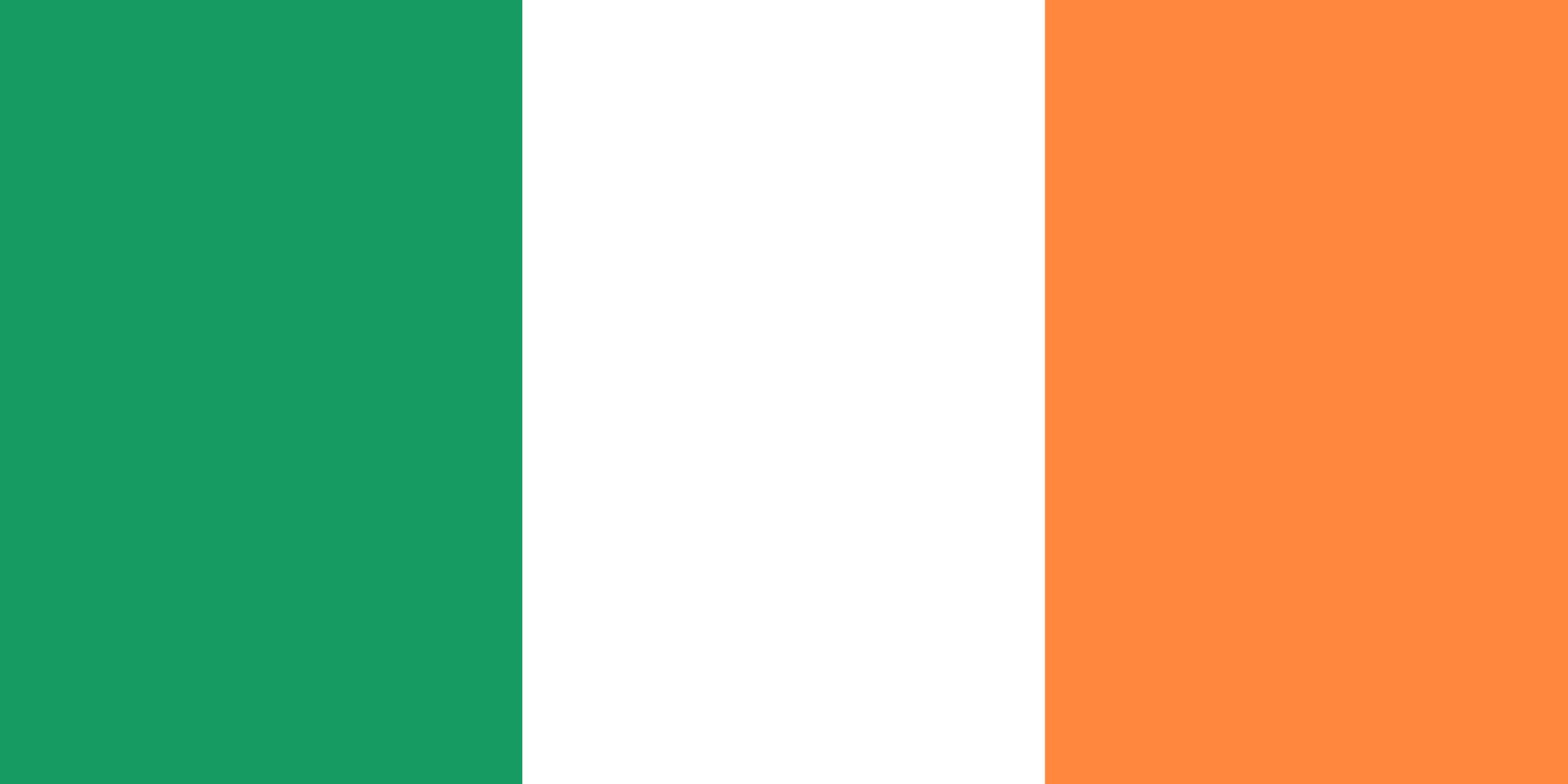
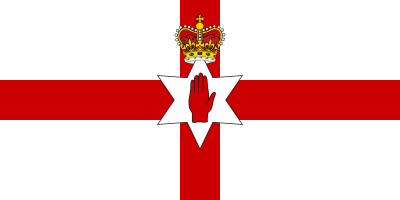
Officially known as the Republic of Ireland, Ireland is a country located in northwestern Europe, occupying most of the island of Ireland, which it shares with Northern Ireland (a part of the United Kingdom). The nation is often referred to as the "Emerald Isle" due to its lush green landscapes, rolling hills, rugged coastlines, and historic sites, has a rich cultural heritage rooted in Celtic traditions, with strong influences in music, literature, and folklore, and is a parliamentary democracy and a member of the European Union. Northern Ireland is a dynamic and culturally rich part of the UK, with a mix of British and Irish identities, and is known for striking natural landscapes, such as the Giant’s Causeway, the Mourne Mountains, and scenic coastlines.
Dublin is the capital and largest city of Ireland, where as Belfast is Northern Ireland's capital. Both located on the eastern coast (with Dublin at the mouth of the River Liffey); Dublin is a vibrant city known for its literary history, Georgian architecture, lively arts scene, and friendly atmosphere, and home to many cultural institutions such as Trinity College, Dublin Castle, and the National Museum of Ireland, including the Guinness Storehouse, where visitors can learn about Ireland’s iconic stout. And Belfast was historically a major centre of industry, particularly shipbuilding (Belfast's Harland & Wolff shipyard was where the RMS Titanic was built). Today, Belfast is a modern city with a strong cultural scene, historic architecture, vibrant neighbourhoods, and is home to famous attractions like the Titanic Belfast museum, Belfast City Hall, and the Botanic Gardens.
Flooding, landslides, storms and heatwaves.
In the Republic of Ireland;
Where as for Northern Ireland;
On-the-spot fines range from €/£60 to €/£200 in both countries, and must be paid within 28 days or fine gets increased by 50%. Any further delays may result in court proceedings — possibly leading to higher fines and points. Some serious offences can lead to a maximum penalty of €/£5,000 and jail time. Both Ireland and Northern Ireland also have a penalty point system where accumulating 12 points within a three-year period will result in a 6-month driving ban, with most points remaining on a driver's licence longer than 3 years in Northern Ireland (e.g., reckless/dangerous driving: 11 years). If not pursued or traceable (especially for non‑UK nationals), some fines may not be enforced. However, Offences caught by PSNI officers still result in penalty notices or court action even for foreign drivers.
The official languages of Ireland are Irish (Gaeilge) and English.
Vehicles drive on the left in both Ireland and Northern Ireland, and yield to traffic in roundabouts that are already circulating, entered from the left, and signal for exits. The minimum age to drive in both nations is 17, but drivers are generally required to be at least 21 to rent, but for some companies, it's 23 or 25. Also, drivers under 25 will be faced with a 'young driver surcharge', which would often be around €30 per day. UK drivers don't need an International Driving Permit (IDP) to drive in both nations — especially for Northern Ireland since it is part of the UK. However, an IDP is needed in the Republic of Ireland if you hold an older paper licence. In addition, if using your own vehicle, carry your insurance certificate and V5 registration document with you.
Urban roads can be well-maintained, but rural roads can be very narrow with no hard shoulders, blind blends and stone walls/hedges. In addition, watch out for one-lane bridges, blind summits, and farm traffic or animals. There are several toll roads in Ireland, but not in Northern Ireland.
Unleaded petrol and diesel are the common fuel types in both Ireland and Northern Ireland, along with EV charging. Petrol stations in both countries are mainly self-service with two methods: pay-at-pump or pay inside after fuelling (Pay-at-pump is slightly less universal in Northern Ireland than Ireland), and are frequent on major roads and motorways, but less common in remote areas. Most rental companies have a full-to-full policy, so return the car with the agreed fuel level or face fees. It is best to keep receipts.
The Republic of Ireland: uses kilometres per hour (km/h) for speed limits, while Northern Ireland uses miles per hour (mph):
Speed limits are clearly signposted; watch for unit changes when crossing borders between jurisdictions.
The limit for a fully licenced driver is 0.05%, while it is 0.02% for learner/new/professional drivers. Random breath tests are widely enforced.
Always wear seatbelts. Drivers are responsible for ensuring all passengers are belted.
Children under 12 — or under 150cm/36kg for the Republic of Ireland, or under 135cm in Northern Ireland — must use an appropriate restraint or seat.
Check out more of our Country Guides: