
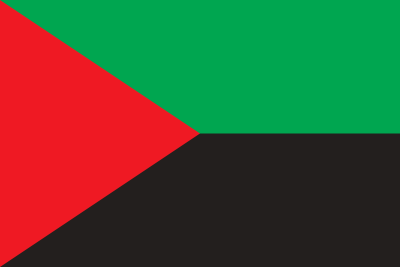
Martinique is a French overseas department in the Lesser Antilles of the Caribbean, located between Dominica and Saint Lucia. The island is known for its tropical rainforests and volcanic mountains (like the famous Mount Pelée — whose 1902 eruption destroyed the city of Saint-Pierre), beautiful black and white sand beaches, rum production (e.g. Agricole Rum), and a Creole and French culture, with a mix of African, French, Indian, and Caribbean influences in its cuisine and music.
Its capital, Fort-de-France, is located on the island’s western coast. It is the political, economic, and cultural centre of Martinique. The city features a large harbour and busy waterfront, colonial architecture and colourful markets, government offices and businesses, and cultural festivals, along with landmarks like Fort Saint Louis — a historic French fortress overlooking the bay, Saint-Louis Cathedral and La Savane Park.
Hurricanes and tropical storms (June – November), among with active volcanic activity from Montagne Pelée, earthquakes and flash floods.
As a French overseas department, Martinique shares the same road-traffic and public-order rules as of mainland France. Martinique's demerit-point system doesn't affect foreign licences, but fines and other penalties still apply. If you're stopped, police can issue the fine directly. But with a rental car, authorities can identify you through the rental company, and then, the rental company may charge its own administration fee to you on top of the official fine.
Common offences tourists encounter are:
Other offences that tourists should be aware;
Standard fines generally have a 45-day period for payment, with most can be reduced if paid within 15 days. Failure to pay within 45 days will result in higher fines.
The official language of Martinique is French, but Martinican French Creole is also spoken.
Driving takes place on the right side of the road in Martinique. The minimum driving age is 18, while the minimum renting age is 21, though some rental companies allow 18 – 20 year olds to rent small or entry-level economy cars. Many rental cars are manual, but if you seek automatic, reserve early as availability can be limited in peak season, and expect higher prices than for manual. Renters are expected to present a valid driving licence that has been held for at least 1 – 2 years, and those who are under 25 are frequently subject to 'young driver fees' and restrictions from renting premium vehicles. UK drivers are not legally required to have an International Driving Permit (IDP) in Martinique if they hold a photocard licence and are visiting for less than 90 days, but the rental company may ask for one, so be sure to check before you travel.
Main roads such as RN5 are generally modern and easy, but rural and mountain roads can be narrow, steep, winding and poorly lit at night. Tourists are often surprised by sudden sharp bends, scooters filtering through traffic, cars partially parked on roadsides, and tropical rain making roads slippery, which is why many rent small or compact cars. Also, traffic can be heavy in busy areas like Fort-de-France and Le Lamentin, while roads outside urban areas are usually relaxed, and parking is normally straightforward outside Fort-de-France.
Be sure to avoid driving on unfamiliar mountain at night, download offline maps as mobile signal can weaken in rural zones, photograph the rental car before and after pickup, verify insurance excess/franchise carefully before signing, and add all drivers to the rental agreement to avoid insurance becoming invalid — this is a common mistake tourists make.
The main fuel types in Martinique are Sans Plomb 95/98 (unleaded petrol) and Gazole (diesel). EV charging is also available. Most rental cars use SP95 petrol but many French vehicles are diesel, so make sure to check before fuelling. Many fuel stations have attendants who fill up for you, but some stations are self-service, especially ones that are open late at night or on Sundays, and have automated pumps. Automated pumps require prepayment via card due to fuel theft issues. However, foreign cards can occasionally fail because of chip-and-PIN requirements, pre-authorisation checks and foreign bank restrictions. Make sure you have a Visa or Mastercard with a PIN, avoid relying only on prepaid/travel cards, and carry some cash as backup.
Stations are widely available across the island, primarily operated near major hubs and the airport. Attended stations are typically open between 7/8am to 9/10pm, but have reduced hours on Sundays, but self-service stations run 24/7, and may come with car washes and convenience stores. If you are planning to travel to remote parts of the island or on Sundays, make sure to top-up beforehand and not let the tank run too low. In addition, rental companies normally require drivers to return the vehicle with the same fuel level as when they picked it up — often 'full-to-full', so keep any fuel receipts as documentation.
Speed limits are reduced during the rain.
The BAC limit is 0.05%; 0.02% for novice drivers.
Seat belts are mandatory for everyone.
Like with France, children under 10 years must be secured in an approved, weight-appropriate child car seat or booster seat. Children under 10 are also prohibited from riding in the front unless there are no rear seats, the rear seats are already occupied by other children under 10, or the rear lacks seat belts. If a rear-facing infant seat is placed in the front passenger seat, the front airbag must be deactivated before departure.
Check out more of our Country Guides: