
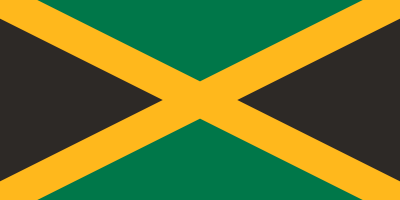
Jamaica is an island nation in the Caribbean Sea, known for its vibrant culture, reggae music, lush landscapes, and rich history. The country features stunning beaches, mountains such as the Blue Mountains, diverse wildlife, and a warm tropical climate. The country is culturally influential far beyond its size, contributing globally through music, sports, and cuisine. Its capital, Kingston, is the largest city in Jamaica, located on the southeastern coast. The city is the country’s economic, cultural, and governmental centre, home to such famous landmarks like the Bob Marley Museum and the National Gallery of Jamaica, and has a lively arts and music scene - serving as the main hub for Jamaican commerce and transportation.
Hurricanes and floods, along with earthquakes and landslides
Common traffic and driving violations include:
Fines are often coupled with demerit points on your licence. If you accumulate enough points (e.g. 10 – 14 or more, depending on offence) your licence can be suspended. Also, other offences to watch out are:
The official language of Jamaica is English, but Jamaican Patois is also spoken.
Vehicles drive on the left in Jamaica, with overtaking done on the right. The minimum age to drive is 18, but is 21 to rent, with a younger driver surcharge likely for those under 25. However, some rental companies may have a higher minimum age (e.g., 23) or require drivers to have held their licence for a minimum of 1 to 2 years. UK drivers don't need an International Driving Permit (IDP) to drive in Jamaica for up to six months as long it's in English, but one is highly recommended for renting a car, and required if you possess an older paper licence.
Some roads in big town are in good condition, but in rural/mountainous areas, they can be narrow, winding, poorly maintained and contain potholes. Avoid driving at night when possible, especially in rural or poorly lit areas, drive defensively against aggressive drivers, and pedestrians and animals who cross roads unexpectedly, always lock your vehicle and not leave valuables on display, and be prepared to show your license, insurance, and car documents at police checkpoints.
There are toll highways in Jamaica (e.g. Highway 2000), where tolls vary depending on the road and vehicle class. Some tolls accept cash while others don't. Check locally for payment methods when you rent.
87-octane (E-10), 90-octane are common petrol types in Jamaica. Plus, Automotive and Ultra-low Sulphur Diesel are available. Fuel stations are common in urban and tourist areas, but are less frequent in remote/rural places. 'Topping-up' is recommended when leaving major towns for long drives.
The BAC limit is 0.08%.
Must be worn - both front and rear passengers.
Children under 8 years, or under 145cm tall, must use an appropriate child restraint like a booster seat. Children 9 and up may travel without restraint with a lap belt or a three-point belt.
Check out more of our Country Guides: