
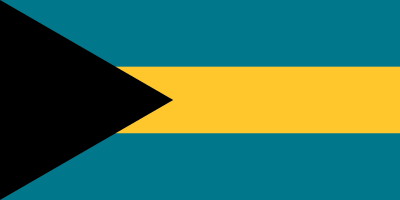
Officially dubbed as the Commonwealth of the Bahamas, the Bahamas is an archipelago of over 700 islands in the Atlantic Ocean, just southeast of Florida and north of Cuba. It's known for its turquoise crystal-clear waters, white-sand beaches, coral reefs, and vibrant marine life - making it a great destination for snorkelling, diving, boating, and luxury tourism. The islands blend British colonial heritage with Afro-Caribbean culture, giving rise to colourful festivals, distinctive music, and flavourful cuisine. Nassau is the Bahamas' capital. Located on New Providence Island, it is the political, economic, and cultural centre of the country. It’s famous for its pastel-coloured colonial buildings, lively markets, historic forts, and bustling harbour. Also, Nassau combines resort areas (like Cable Beach and Paradise Island) with local neighbourhoods, museums, and cultural sites that reflect the nation’s rich history and identity.
Hurricanes, due to the archipelago's location in the Atlantic hurricane belt, which can cause flooding and storm surges.
For traffic and driving offences;
Other offences to look out for are:
The official language of The Bahamas is English, but Bahamian creole is also spoken.
Vehicles drive on the left-hand side of the road. The minimum driving age is 17, but the minimum renting age 21, with the condition of having a valid driver's license for at least one year, and a daily surcharge of approximately $25 - $50 (~£19 - £38). UK drivers do need a 1968 International Driving Permit (IDP) to drive in the Bahamas, and it must be obtained before you travel.
While many main roads are paved and maintained, a significant portion of road network (especially outside main cities) may be unpaved, narrow, with potholes, poor surfacing or poor lighting. Most cars in the country are left-hand drive (despite cars driving on the left side), which makes visibility and driving comfort trickier, some drivers often fail to yield for pedestrians and cyclists, even at marked crossings (so stay alert), and in built-up or busy tourist areas (cities, resorts), traffic may be congested; near rural or remote islands, roads may be less maintained. In addition, be extra cautious when driving at night or during bad weather.
On the larger and more populated islands (e.g.: Nassau and Freeport) petrol stations are common, so finding gasoline (octane 90, 92 and 95) and diesel there is generally easy. However, on smaller or more remote islands, stations may be scarce or more spread out. Plan fuel stops carefully to avoid running out in rural areas or on smaller islands. Fuel tends to be somewhat more expensive than in many mainland countries, many stations offer full-service, payment is usually done via credit or debit card, but some smaller or remote stations may prefer or only accept cash (US or Bahamian dollars), and any many rental companies operate under a 'full-to-full' policy: the rental is provided with a full tank and is expected to be returned with a full tank.
The default speed limit is 30 mph, but some roads have it different;
The legal limit is 0.08%
Mandatory for driver and all passengers.
Children under 12 years or 135cm tall must a child car seat.
Check out more of our Country Guides: