
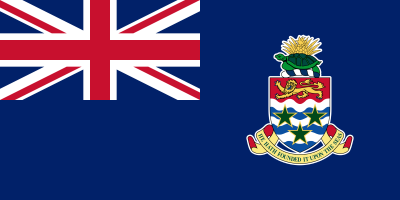
The Cayman Islands are a British Overseas Territory located in the western Caribbean Sea, south of Cuba and northwest of Jamaica. The territory consists of three islands; Grand Cayman, Cayman Brac, and Little Cayman, and its known for clear turquoise waters, coral reefs and sandy beaches, with its local culture blending Caribbean traditions with British influences. The islands have a stable political system, a high standard of living, and are internationally recognized as a major financial services and offshore banking centre, as well as a popular tourism destination.
Its capital, George Town, resides on the western coast of the largest and most populous of the three islands; Grand Cayman. The town is the administrative and financial heart of the Cayman Islands, housing government offices, courts and international banks. It is also a key cruise ship port, featuring shops, restaurants and access to nearby attractions such as Seven Mile Beach.
Earthquakes, that can potentially trigger tsunamis, and hurricanes, which bring strong winds, storm surges, and heavy rainfall, leading to flooding and coastal erosion.
For traffic and driving offences;
On-the-spot fines are common for straightforward violations, but serious offences (that extends CI$500) will usually require court appearances.
And for other violations;
The official language of Cayman Islands is English, but Caymanian English is also spoken.
Vehicles drive on the left side of the road. Roundabouts are very common, where traffic from the right has priority. You may turn left at a red light after a complete stop, unless posted otherwise. And at four-way stops, the vehicle that arrives first goes first.
The minimum driving age is 18, but the renting age is 21, though some rental companies may have a higher age limit (23 or 25), and/or may apply a young driver surcharge to drivers under 25. UK drivers don't need an International Driving Permit (IDP) to drive as their valid photocard licence is sufficient for up to 6 months. However, one is needed if you carry an older paper licence, or the rental company you're using requires one.
Roads are generally well-maintained, but be cautious around roundabouts and while navigating unfamiliar traffic patterns. Additionally, wildlife and pedestrians have priority on crossings, so be vigilant.
Most stations sell regular and premium unleaded petrol, along with diesel, but some locally-owned stations sell ethanol blends (E10 or even E85), which may not be suitable for your vehicle — when getting a rental, asks what fuel type you should use before filling up. Full-service is common, where an attendant would fill the tank for you. Most stations accept Cayman Islands dollars and US dollars, and most accept card. Though card payment is more common, it’s still useful to have some local currency as backup.
Fuel stations are available throughout Grand Cayman, but there only a handful of local petrol pumps on Cayman Brac, and usually only one small pump on Little Cayman. Plan ahead if you're driving on the smaller islands; fill up before travelling, and top-up whenever you get the chance.
The legal limit: 0.07%
Mandatory for all passengers.
Children under 14 must sit in the back with an appropriate child restraint (car seat or booster). It's recommended that children must use appropriate car seats if under 12 years or 135cm tall.
Check out more of our Country Guides: