
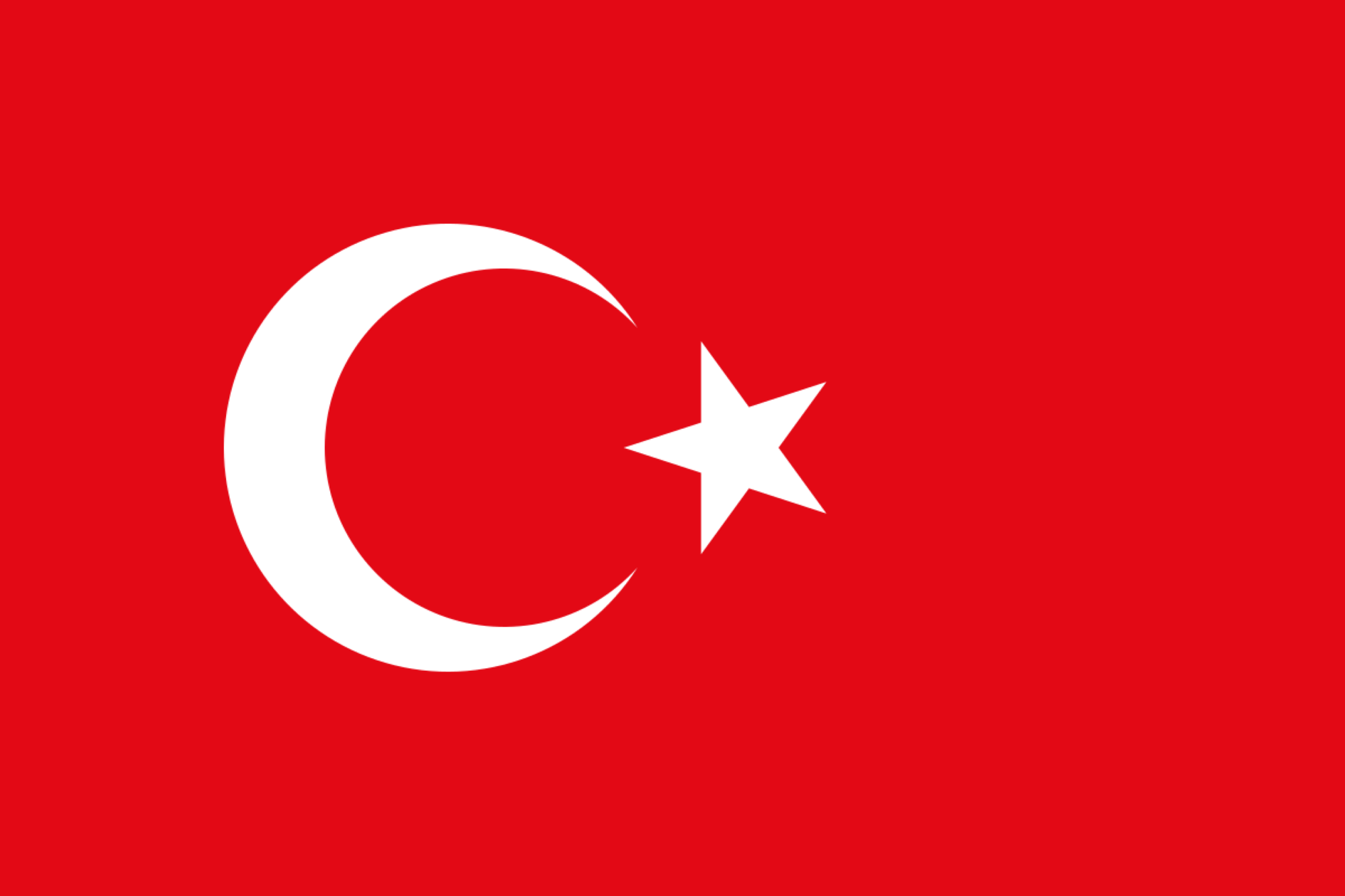
Officially known as the Republic of Türkiye, Türkiye is a transcontinental country located mainly on the Anatolian Peninsula in Western Asia, with a smaller portion on the Balkan Peninsula in Southeastern Europe. It is known for its rich cultural heritage (home to ancient civilizations like the Hittites, Greeks, Romans, Byzantines, and Ottomans), stunning sites (e.g., Hagia Sophia, Blue Mosque, Cappadocia, Ephesus, Pamukkale, and Mount Ararat), and strategic geopolitical position; bridging both Europe and Asia. Türkiye's capital is Ankara (ever since 1923, replacing Istanbul). It is known for landmarks like Anıtkabir (mausoleum of Mustafa Kemal Atatürk, founder of modern Türkiye). It may not be as popular than Istanbul, but the city is culturally rich and strategically important (The political and administrative centre of the country, and hosting government institutions, foreign embassies, and major universities).
Due to its location on several active fault lines, earthquakes are the most frequent, but floods, landslides, and wildfires can happen.
In 2025, fines have increased by roughly 44% to account for economic changes. Payment is done via e‑government portal, at PTT (post offices), tax offices, or through rental agencies (rental companies would often process fines and charge your card, before informing you), and if you pay within 15 days, you'll receive a 25% discount. Fines for traffic and driving violations include:
Additionally; standing up before an aircraft is fully parked will result in fine around ₺2,800 (~£51), littering or smoking in banned areas may incur ₺1,500 (~£27) fines for individuals, and ₺50,000 (~£916) for venues, exporting antiques or artifacts without authorization: up to ₺2 million (£36,636) and possible prison time, and insulting the state or Atatürk, or Islam (even on social media) can result in legal consequences or deportation.
Overstaying a tourist visa (90 days) may result in a small fine (e.g. ~₺200/~£3.66) or a temporary re-entry ban; unpaid fines can escalate if not handled.
The official language of Türkiye is Turkish, but Kurdish, Zazaki and Arabic are also spoken.
Even though many people spell and pronounce Türkiye as 'Turkey', it is not the correct spelling and pronunciation since the country and the UN officially changed it in June 2022. This was due to better represent Türkiye's culture and values, and to distance itself from the English word 'turkey' - the name of a bird, and a term for something that fails.
Vehicles drive on the right in Türkiye. The minimum age to drive a car is 18 years, rental car companies would require drivers to be at least 21 to rent, along with a licence held for at least 1 – 2 years. Some rental companies require drivers to be 23 or 25 for certain car categories, and would charge a 'young driver surcharge' to those under 25. UK drivers are required to have a 1968 International Driving Permit (IDP) to drive in Türkiye, or notarised Turkish translation of their licence, with their valid licence for up to 6 months. If you're entering Türkiye with your own motor vehicle, you must register it at customs in your name (or have a power of attorney), and get a foreign vehicle entry permit and Green Card Insurance. The vehicle can stay for up to 730 days (2 years) under temporary import rules.
Some highways and bridges have tolls, but there are no cash booths — payment are done automatically via HGS (prepaid tag), which rental cars usually come with. Rentals are mainly good to explore places like Cappadocia, coastal regions and rural areas, but they're not ideal if you are staying only in big cities. Street parking is available in cities, usually paid via meters or mobile apps, where many areas have paid private lots or valet services. However, parking can be difficult, and illegal parking can lead to towing or fines.
Rural roads can be narrow, and that lane discipline is sometimes loose. Also, local drivers can sometimes be fast and assertive, with sudden lane changes and limited signalling. Try to remain calm and drive defensively if you encounter these kinds of drivers.
Unleaded petrol (Benzin), Diesel (Motorin) and LPG (Autogas) are available at widespread petrol stations. Stations are usually full-service, but make sure to check the pump display before fuelling starts, clearly state what fuel you want — even show the key or fuel cap label to the attendant if unsure (mistakes can happen), and keep receipts as most rental companies expect you to return the vehicle with the same fuel amount as when you picked it up. Cash and card are widely accepted, but some stations may pre-authorise cards — especially on highways, while ones in rural areas may prefer cash. Also, fuel in Türkiye is relatively expensive compared to some countries, so budget accordingly.
Stations on motorways are more modern and large, open 24/7, frequent, and often include restaurants, toilets and shops. Stations in towns and cities are sometimes like that as well, and are easy to find, but slightly cheaper than motorways, and would have car washes too. However, stations in rural areas are usually smaller, independently owned, may not be open late, limited services and facilities, and can be far apart from one another — don't let your tank drop too low in rural areas.
The legal limit for private drivers is 0.05%, where it is 0.00% for commercial vehicle drivers.
All passengers must be wearing seatbelts.
Children under 150cm tall must be seated in appropriate child restraint system, while children under 3 years old are prohibited from traveling in vehicles without a child restraint, and that the front passenger seat requires deactivating the airbag for the rear-facing seat. Children taller than 150cm can use a seat belt in the rear but may not sit in the front.