
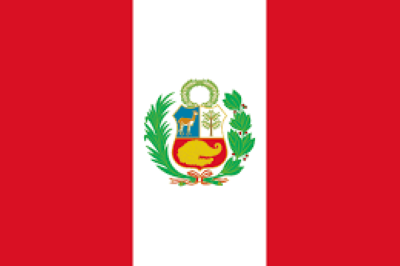
Peru (or; the Republic of Peru) is a country in western South America, bordered by Ecuador, Colombia, Brazil, Bolivia, Chile and the Pacific Ocean. The country is known for its extraordinary geographical diversity, rich cultural history, and world-famous archaeological sites. It contains three major natural regions: the coast (a long, narrow desert strip along the Pacific Ocean), the highlands (dominated by the Andes Mountains, with high peaks, deep valleys, and historic Andean cultures), and the jungle (part of the Amazon rainforest, one of the most biodiverse regions on Earth). Peru is the heart of several ancient civilizations, most notably the Inca Empire, whose legacy includes Machu Picchu, the Sacred Valley, and an extensive network of stone roads and terraces. The country is culturally vibrant, blending Indigenous, Spanish, Afro-Peruvian, and immigrant influences.
Its capital, Lima, is the largest city in the country, located on the central Pacific coast. The city's known for its: landmarks like the Cathedral of Lima and the Monastery of San Francisco, modern districts such as Miraflores, San Isidro, and Barranco, renowned cuisines like ceviche, lomo saltado, and causa, and its role as the political, economic, and cultural hub of Peru.
Floods, landslides, droughts, and earthquakes, intensified by the El Niño phenomenon.
Traffic offences in Peru are categorised in three levels; Very Serious (Muy Graves, 'M'), Serious (Graves, 'G'), and Minor (Leves, 'L'), with fines tied to a government valuation unit called Unidad Impositiva Tributaria (UIT). Peru also have a point system where accumulating 100 points will result in a 6-month suspension (12-month for second accumulation, and permanent disqualification for third).
Common traffic violations include:
Authorities in Peru sometimes impose steep fines quickly (especially for speeding or safety-related infractions), and repeated or serious infractions can lead to loss of licence and heavy financial penalties. Other violations to keep in mind are:
Fines must be paid before departure, which can be done via certain banks, the airport/border or the online payment platform Págalo.pe.
The official language of Peru is Spanish, but Quechua, Aymara and other Indigenous languages are also spoken.
In Peru, vehicles drive on the right. The minimum age to drive is 18, but to rent, you have to be at least 21 with a valid licence held for at least a year, though some rental companies would prefer 23 or 25, and would charge extra fees to drivers under 25. UK drivers can drive in Peru with their valid licence for up to 6 months from date of entry, but it is strongly recommended to also have an International Driving Permit (IDP) for some rental agencies and police.
Outside major roads and cities, many roads can be poorly maintained, especially in rural or mountainous regions (which 4×4 vehicles are often recommended). Some regions experience heavy rains (especially certain seasons), fog and other hazards, and there have been reports on chaotic or unpredictable driving, loose enforcement of lane discipline, and the need to drive defensively in Peru (So, be cautious on the road).
Gasolina 90/95/97 and Diesel B%/S-50 are the most common types in Peru. All fuel stations are full-service, where cash is always accepted, and card is widely accepted in major cities and highways, but be careful; never hand over your card without watching the transaction, and always watch the pump reset to zero. Fuel stations in Lima and other major cities are everywhere, easy and safe, where in the Andes; plenty of stations but large distances between them, and in remote jungle regions, stations are found near towns, but avoid roadside shops with barrels/bottles unless necessary for emergency situations.
BAC limit: 0.05%.
Mandatory for all occupants.
Not required by law in Peru, but it is recommended to provide a car seat for children under 3.