
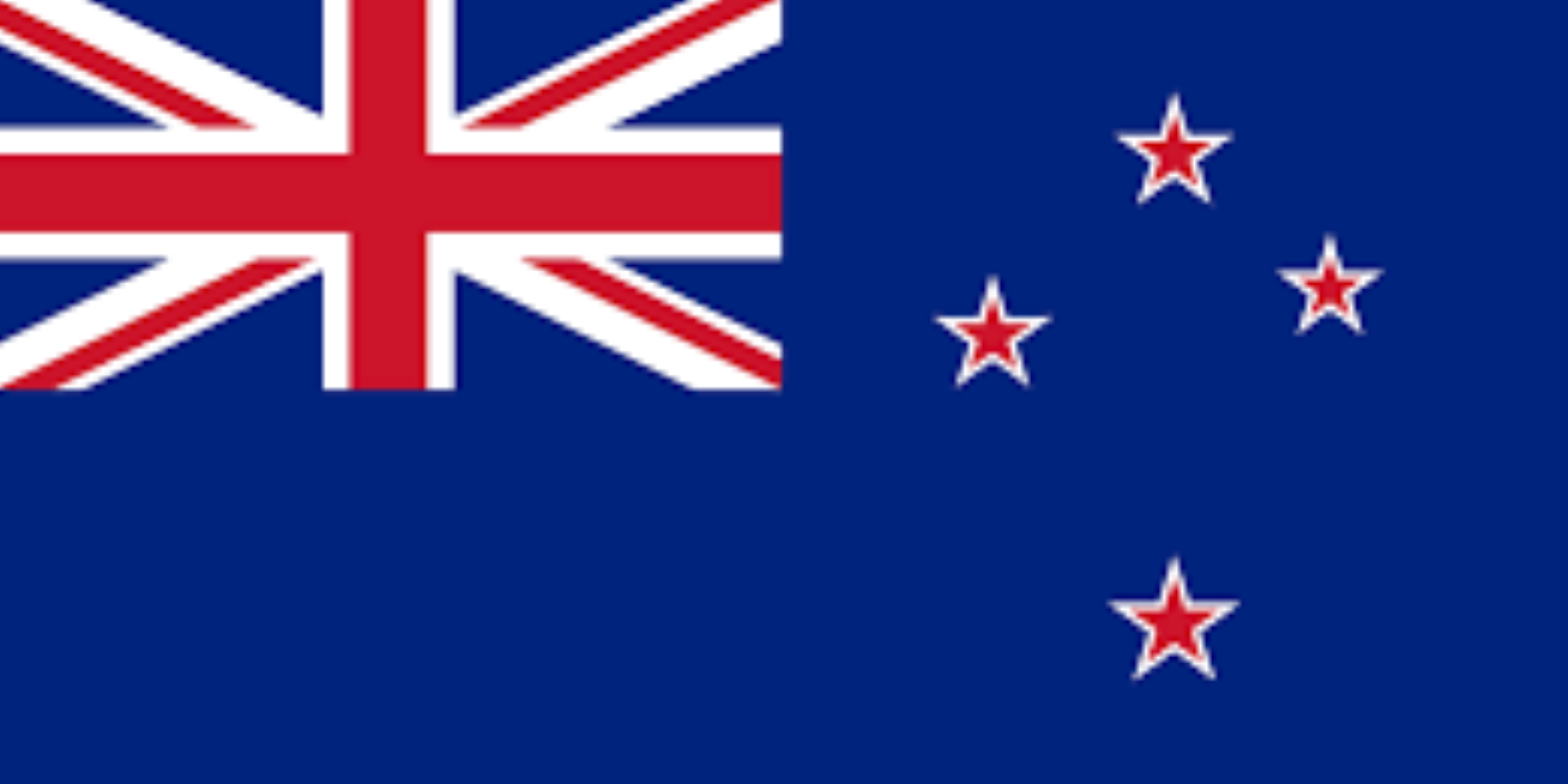
New Zealand is an island country located in the southwestern Pacific Ocean, made up of two main landmasses (the North Island and the South Island) along with hundreds of smaller islands. It is known for its stunning natural beauty, dramatic landscapes (including mountains, fjords, beaches, forests, and volcanoes), and has a rich biodiversity and is home to unique species like the kiwi bird, which is a national symbol. New Zealand is also recognised for its progressive society, environmental consciousness, and vibrant indigenous Māori culture, which is an integral part of its national identity.
Its capital, Wellington, is located at southern tip of the North Island. Often called the “coolest little capital in the world”, it is known for its picturesque harbour and surrounding hills, creative energy and compact urban charm, landmarks like the iconic Beehive building (part of the New Zealand Parliament) and the Te Papa Tongarewa national museum, and being a hub for film and media, including being a base for parts of the production of The Lord of the Rings film trilogy.
Earthquakes, volcanic eruptions, landslides, floods, and storms.
Driving and traffic fines are issued to the driver or the registered vehicle. If you're driving a rental, the rental company will pass the fine to you — often with an admin fee, otherwise, you would receive it by post where payment can be done online or at post offices. Payment is usually required within 28 days. If not paid, it'll be passed to the Ministry of Justice, leading to extra fees (e.g. ~NZ$55), and can affect future travel. Many offences also carry demerit points. If you reach 100 points in 2 years, your licence will be suspended for 3 months. Points are usually applied if stopped by police. Camera fines typically don’t add points.
Common offences include:
New Zealand's Freedom Camping Act 2011 regulates where and how tourists can camp in vehicles. Violations can result in fines ranging from NZ$200 to NZ$2,400 (~£87 – £1,044), depending on the offence:
Improper disposal of waste is taken seriously in New Zealand:
The official languages of New Zealand are English, Māori and the New Zealand Sign Language.
Vehicles drive on the left-hand side in New Zealand. The minimum driving age is 18, while the renting is generally 21 with a licence held for at least one year. Some rental companies have a minimum age of 25 for certain vehicle categories or may apply a 'young driver surcharge' for those under 25. You are allowed to temporarily import your own vehicle for up to 12 months, without New Zealand registration, provided it remains registered abroad and you pay the ACC levy (for accident coverage). Entry certification is required, including a Warrant of Fitness (WoF) for light vehicles, and upon leaving the country, you'll need to cancel registration and may get a partial refund of the ACC levy.
UK drivers don't generally need an International Driving Permit (IDP) to drive in New Zealand as a valid UK photocard licence is accepted for up to 18 months. However, you must carry your physical licence with you at all times. Holders of an older paper licence must get an IDP, and one would also be necessary if the rental company requires one.
Road conditions may vary widely; narrow, winding and hilly roads are often, with some being gravel or unsealed, many highways being single carriageways (one lane each way), one-lane bridges being common in rural areas, and travel times can be longer than they look on a map. Fatigue is also a major risk in New Zealand; plan for short driving days (under four hours), take breaks, and don’t drive when tired. Roads can be unpredictable (icy or snowy in winter), especially in southern or alpine regions. Though insurance isn’t compulsory, but it is strongly recommended. Many visitors opt for full coverage via rental companies or third-party providers.
Most petrol stations in New Zealand offer 91 octane (regular petrol), 95/98 octane (premium petrol) and diesel. Most stations are self-service where you can pay inside after fuelling, or before fuelling at the pump, though some stations require a pre-authorisation hold (often NZ$100 – NZ$200). UK debit/credit cards generally work fine. Some smaller towns still offer attended service, but fuel prices in remote areas can be higher compared to big cities. If your rental runs on diesel, you'll need to pay a Road User Charge (RUC). Most rental companies either include it or charge it after your trip based on distance. Always confirm it with your rental company. You can sometimes be able to save money with apps like Gaspy, or with vouchers from supermarkets.
New Zealand has large remote areas. This means stations can be 100+ km apart in places like the South Island west coast and the Central North Island. Also, stations in cities are often open 24/7, but rural stations may close early. It is strongly recommended to not assume every station takes cash late at night, along with not waiting until your tank becomes low in rural areas, and to not confuse diesel nozzles with petrol nozzles — they're different sizes, but still double-check.
Some roads may have different speed limits, where some motorways and expressways have a limit of 110 km/h (~68 mph).
The legal limit is 0.05% for drivers 20 or over, but is 0.00% for under 20s.
Seat belts are mandatory for all occupants.
Children under 7 must use an approved child restraint, while under 2s are recommended to be secured in a rear-facing seat. Children who are 7 years old must use an approved restraint if one is available.
Though not mandatory, New Zealand authorities advise carrying basic safety gear because roads can be remote. These include:
Check out more of our Country Guides: