
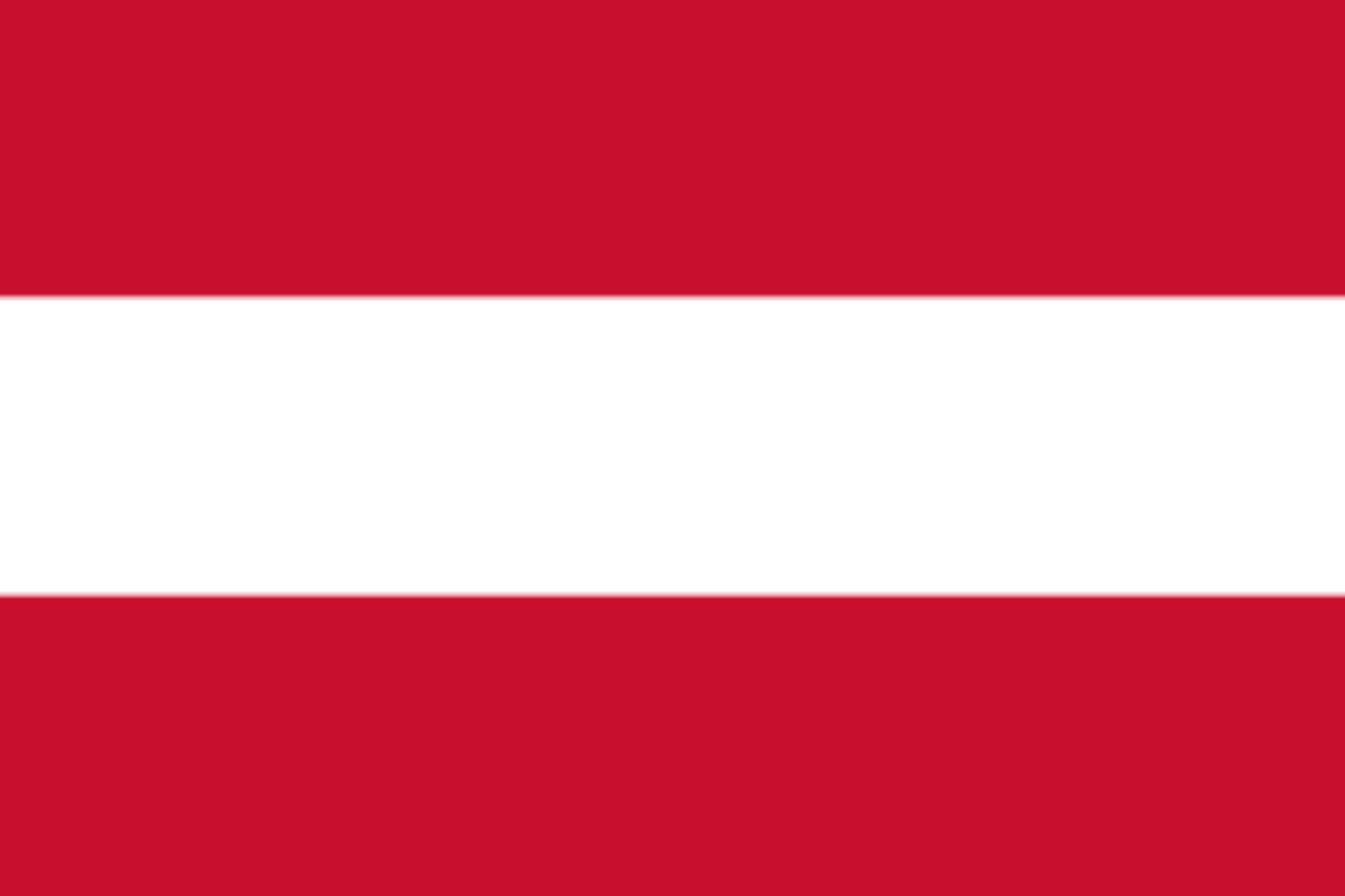
Austria is a landlocked country and federal parliamentary republic in Central Europe, known for its rich history, cultural heritage, and stunning alpine landscapes. It shares borders with Germany, Czech Republic, Slovakia, Hungary, Slovenia, Italy, Switzerland, and Liechtenstein. Its capital, Vienna, is Austria's largest city, located on the banks of the Danube River, renowned for its imperial history, elegant architecture, and vibrant arts scene, and home home to famous landmarks like Schönbrunn Palace, St. Stephen's Cathedral and the Vienna State Opera.
Floods, landslides, avalanches, and rockfalls due to the country's mountainous terrain and weather patterns.
For minor violations (e.g., parking and small speeding), police can issue on-the-spot fines up to €90. Otherwise you’ll receive a fine notice by mail, often to rental car companies, with bank transfer payment details. There's no online card payment option. If the fine is not paid or driver identity not provided within approx. 2 weeks, formal proceedings may begin and penalties escalate.
The official language of Austria is German, but Austrian, Hungarian, Slovene and Burgenland Croatian are also spoken.
Vehicles drive on the right side in Austria. The minimum age to drive is 18, while it is usually 19 – 21 to rent, depending on the provider. Rental companies would also require drivers to have held a valid licence for at least one year, and may charge a surcharge to drivers under 25. UK drivers don't need an International Driving Permit (IDP) for short visits, unless the rental company requests one. Also, ensure your vehicle has a 'UK' sticker if the number plate doesn't feature the UK identifier.
Headlights must be used in poor visibility (not mandatory during the day in good weather). And winter tyres are mandatory from November 1 to April 15 in wintry conditions, where snow chains may be required in mountainous areas (signposted), and it is illegal to drive with snow-covered windshields/lights. If you plan to use the motorways and expressways, you must buy a 'vignette' (toll sticker or digital pass). A 'vignette' can be bought at petrol stations, service areas, automobile clubs, or online, which can be for 1 day, 10 days, 2 months or annual.
Super 95 (standard petrol), Super 98 (premium petrol) and diesel are the most common fuel in Austria. Many stations are self-service where you can pay at the pump or inside after filling, and are also open 24/7, especially ones at motorways. Cash and card (PIN and contactless) are widely accepted, except for smaller rural stations where they prefer chip & PIN. Also, rural stations may close at night, but pumps often still work with card.
Austria also EV-friendly. There are plenty of charging stations in cities and along motorways, and payment often via apps or contactless.
Watch for local signage that may indicate different limits.
The Legal Blood Alcohol Concentration (BAC) is 0.05%, while it is 0.01% for drivers with less than 2 years’ experience. Police conduct random checks – fines and driving bans apply for violations.
When driving, all passengers including driver must be wearing seatbelts.
Children under 14 or under 1.5 meters must use appropriate child restraints.
Check out more of our Country Guides: