
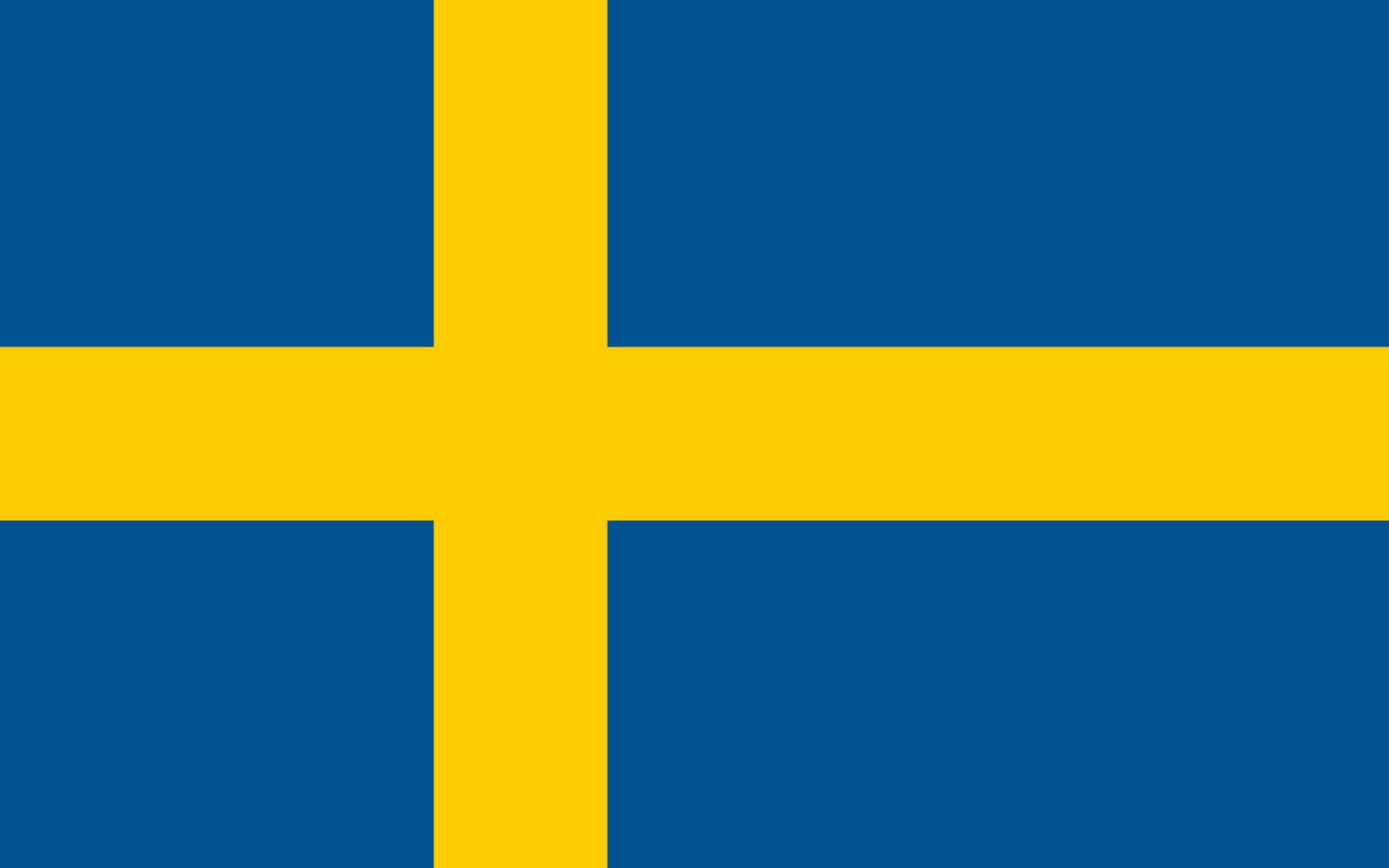
Formally as the Kingdom of Sweden, Sweden is a Scandinavian country located in Northern Europe. Sharing its borders with Norway, Finland and Denmark, alongside a coastline along the Baltic Sea and Gulf of Bothnia. The country is known for its stunning natural landscapes, innovations, environmental consciousness, high quality of life, strong welfare system, and progressive social systems. Its capital, Stockholm, is the largest city in Sweden. Located on the east coast where Lake Mälaren meets the Baltic Sea, it spreads across 14 islands connected by over 50 bridges; making it the 'Venice of the North'. Stockholm is known for its mix of beautiful historic architecture and modern design, clean, efficient public transportation and extensive green spaces, home to landmarks like the Royal Palace, Gamla Stan (Old Town), and the Vasa Museum, home to the headquarters of major companies like Spotify and Ericsson, and hosting the annual Nobel Prize ceremonies.
Wildfires, floods, storms, heatwaves, cold spells, and sea level rise.
Traffic‑related offences, along with other types, include:
Sweden has three types of fines;
Criminal Fines (Ordningsböter or court fines) will remain registered in criminal records for five years (ten if paired with another penalty). You’ll receive a reminder if not paid; if unpaid still, it goes to the Swedish Enforcement Authority, with an added fee (e.g., 600kr/~£46). In worst cases, assets may be seized, or you risk brief imprisonment.
The official language of Sweden is Swedish, but English and Finnish are also spoken.
Vehicles drive on the right-hand side in Sweden. The minimum driving age is 18 years, but you have to be at least 20 – 25 years old to rent a car, depending on the company (check for insurance coverage as well; liability, collision, etc.). UK licences are accepted without an International Driving Permit, unless you have an older paper driving licence.
Headlights must be on at all times (day or night). Winter tyres are mandatory from December 1 to March 31 if conditions are wintry. There are no general tolls on highways, but bridges like the Øresund Bridge (to Denmark), have toll fees. In addition, Congestion charges are applied in Stockholm and Gothenburg (automatically recorded and invoiced if using a rental car).
Street parking is common but watch signs carefully. Parking meters may require Swedish coins or a mobile app (e.g., EasyPark, Parkster), and parking zones often have time limits and fees (especially in cities).
Lastly, sweden has a well-developed EV charging network, where charging apps like Plugsurfing, ChargeFinder, or Mer Sweden are helpful. Many public chargers are available at supermarkets, hotels, and parking areas.
Bensin 95 (standard petrol), Bensin 98 (premium), diesel and E85 are common, along with EV charging stations. There are two main types of fuel stations in Sweden: Automated stations — very common (especially outside cities), no staff, but payment at the pump (card only), open 24/7 and usually cheaper, and Staff stations — have shops, toilets, food, etc., typically open around 7am to 9/10pm, and payment at the pump or inside after fuelling. Sweden is almost cash-free, so it is important you have a debit/credit card with a PIN.
Fuel is widely available everywhere, with stations usually found around motorway exits. But in remote areas, they can be sparse. Make sure to keep your tank at least half full while in rural places to travel to a station.
The legal limit is 0.02%.
Mandatory for all passengers.
Children under 135cm should generally be in the back seat, ideally in a child car seat or booster seat.