
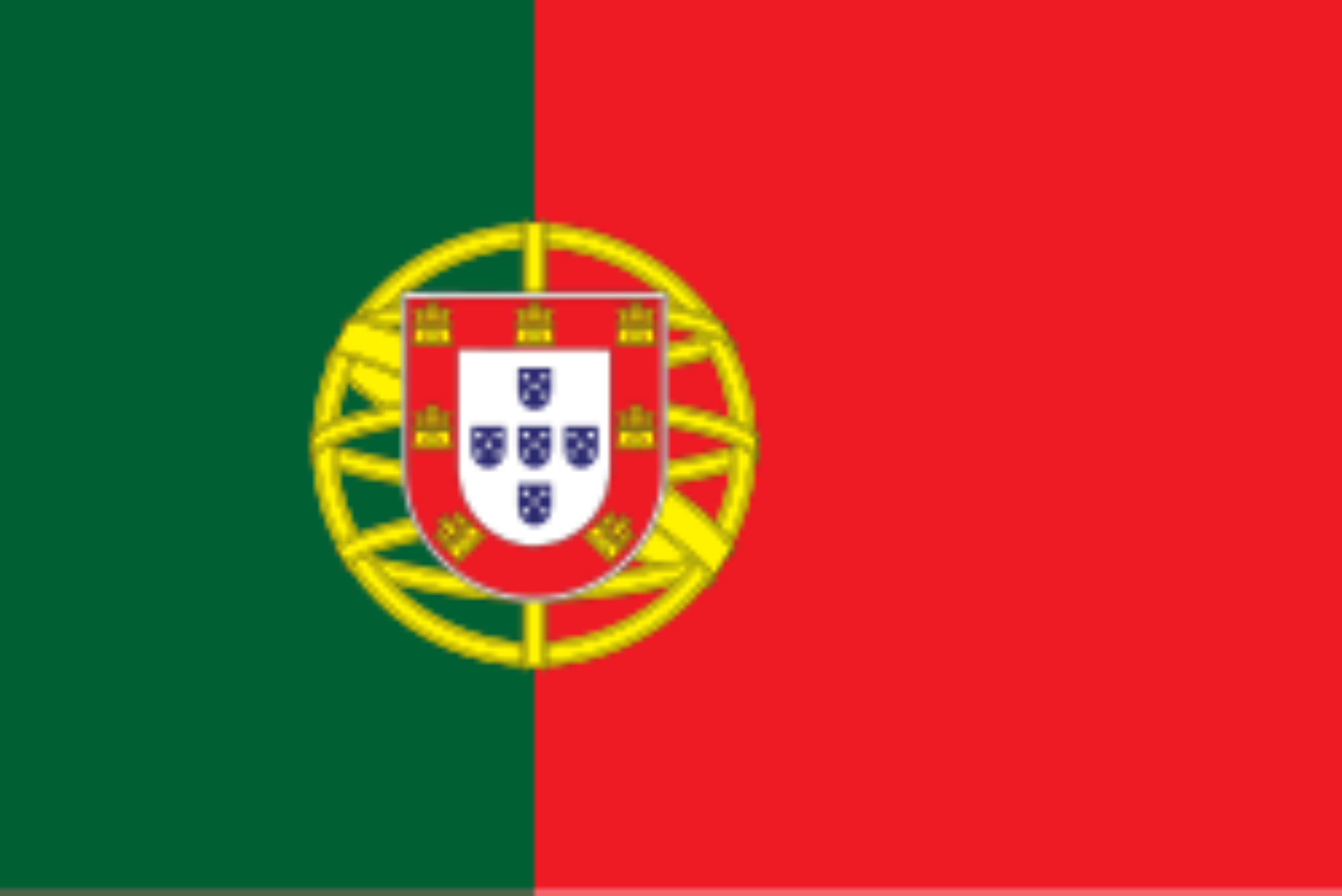
Officially known as the Portuguese Republic, Portugal is a country on the Iberian Peninsula in Southwestern Europe, bordered to the east and north by Spain, and to the south and west by the Atlantic Ocean. The nation is known for its rich maritime history – being the major player in the Age of Exploration, with explorers like Vasco da Gama opening sea routes to India, along with its cuisine (like bacalhau and pastel de nata), Fado music, historic architecture, Mediterranean climate and diverse landscapes (ranging from the rolling vineyards of the Douro Valley to the dramatic cliffs of the Algarve coast).
Its capital, Lisbon, is a vibrant, charismatic and historic city located along the Atlantic coast and the Tagus River. Built on seven hills, The city combines a deep historical heritage with a lively contemporary culture, offering stunning panoramic views, cobbled streets, and iconic yellow trams. Lisbon is even home to landmarks like the Belém Tower, Jerónimos Monastery, the Alfama district (known for its winding alleys, traditional Fado houses, and Moorish roots), and the Baixa and Chiado neighbourhoods.
There are two Autonomous Regions of Portugal, both archipelagos, located in the North Atlantic Ocean; Madeira — which lies southwest of mainland Portugal, and Azores — situated further west from the mainland. Madeira is known for dramatic volcanic landscapes, lush forests, levadas (irrigation channels turned hiking paths) and Madeira wine, where it enjoys broad political and administrative autonomy with its own Regional Government and Legislative Assembly, and blends Portuguese traditions with a strong island identity shaped by geography and history. And Azores is famous for volcanic craters and lakes, geothermal activity, whale and dolphin watching, dairy products, and unspoiled nature, while having an extensive self-government, managing local taxation, infrastructure and economic development, plus a more rural and dispersed way of life, with a strong connection to the sea, agriculture, and environmental conservation.
Wildfires, floods, and earthquakes.
Traffic/driving fines are issued either on the spot by police, where you may have to pay by card immediately, or by camera, which are sent later to your address and paid via Portuguese online banking or official service portals like Portal da Contraordenação, or to your rental company where they would charge them to your card with admin fees (€20 – €50+). Fines must be paid within 15 days, but you can appeal a fine within 14 days of the infraction, though it'll take time and paperwork. Ignoring a fine can lead to it being passed to international collection agencies, linked to your vehicle or passport, and face issues with future entries and vehicle rentals. Official notices are sent by post, NOT by phone or email. So, beware of scams impersonating Portuguese authorities claiming you owe money via email or text.
Portugal also has a penalty point system known as the Carta de Condução por Pontos. Every driver starts with 12 points where offences would subtract points. If 3 or 4 points remain, drivers must attend a mandatory road safety course, if 1 or 2 points remain, they must retake the written driving theory test, but if all points are loss, a 2-year driving ban is imposed, after which the driver must retake the entire driving exam. Drivers can gain 3 points back if they avoid infractions for 3 years, up to a maximum of 15.
Common driving offences include:
Other violations, in places like the Algarve resorts, to keep in mind include:
The official language of Portugal is Portuguese, but Mirandese is also spoken.
In Portugal, vehicles drive on the right-hand side and overtake on the left. Priority is usually given to traffic from the right unless signs say otherwise, and at roundabouts, cars must yield to traffic already on it. The minimum driving age is 18 years old. However, the minimum age to rent a car is 21 years old, with some rental companies may have higher age requirements or apply a young driver surcharge for those under 25. UK licences are accepted in Portugal without needing a International Driving Permit, but if you have a paper driving licence or a licence issued in Gibraltar, Guernsey, Jersey, or the Isle of Man, you might need an IDP.
Roads in Portugal are generally good quality and well signposted, but be careful for tight village streets, confusing motorway exits, and multi-lane roundabouts. Many motorways are toll roads, some of which are electronic-only. Rentals often include a Via Verde transponder for seamless toll payments, but you can also use Easytoll or a Tollcard. Parking in city centres (e.g., Lisbon, Porto and Faro) can be challenging. Look for official paid zones or garages, and avoid restricted 'resident-only' areas. In addition, local drivers in the country can be fast and assertive, so drive defensively.
The common types of fuel in Portuguese stations are Gasolina 95 (regular unleaded petrol), Gasolina 98 (premium petrol) and Gasóleo (diesel). You can find GPL (Liquefied Petroleum Gas), but it's less common. Most stations are self-service, where payment can be done inside after fuelling, or at the pump, though some pumps pre-authorise €100 – €150, then adjust after fueling. Cash and card are accepted, where card is only accepted at the pump. UK cards usually work, but not always at unmanned stations — may only accept Portuguese cards or contactless. The safest options are to use attended stations or pay inside.
Fuel stations are common on motorways, where they would often include toilets, cafes and shops, but fuel is usually more expensive than off-motorway stations. To save money, focus on filling up towns or at supermarket stations. Also, rental cars clearly indicate fuel type (often on the key or cap), but misfuelling is a common mistake for tourists. make sure to double-check before filling.
The limit is 0.05% (~0.02% for new and professional drivers).
Seatbelts are mandatory for all passengers (fines range from €120 to €600 per person).
Children under 12 years or under 135cm tall must use an approved, size-appropriate child restraint system (car seat or booster) in the back seat. Children under 3 can sit in the front, but only with a rear-facing seat and the airbag deactivated.